Sandfall Interactive delivered one of 2025's most visually intentional games. Now the Photo Mode is here — and it matches the ambition of everything around it.
In this review
What struck us most wasn't just the freedom of the camera, but how the lighting tools let us reshape emotion, turning quiet moments into something deeply cinematic.
sarokeye
A Painterly World, Finally Framed
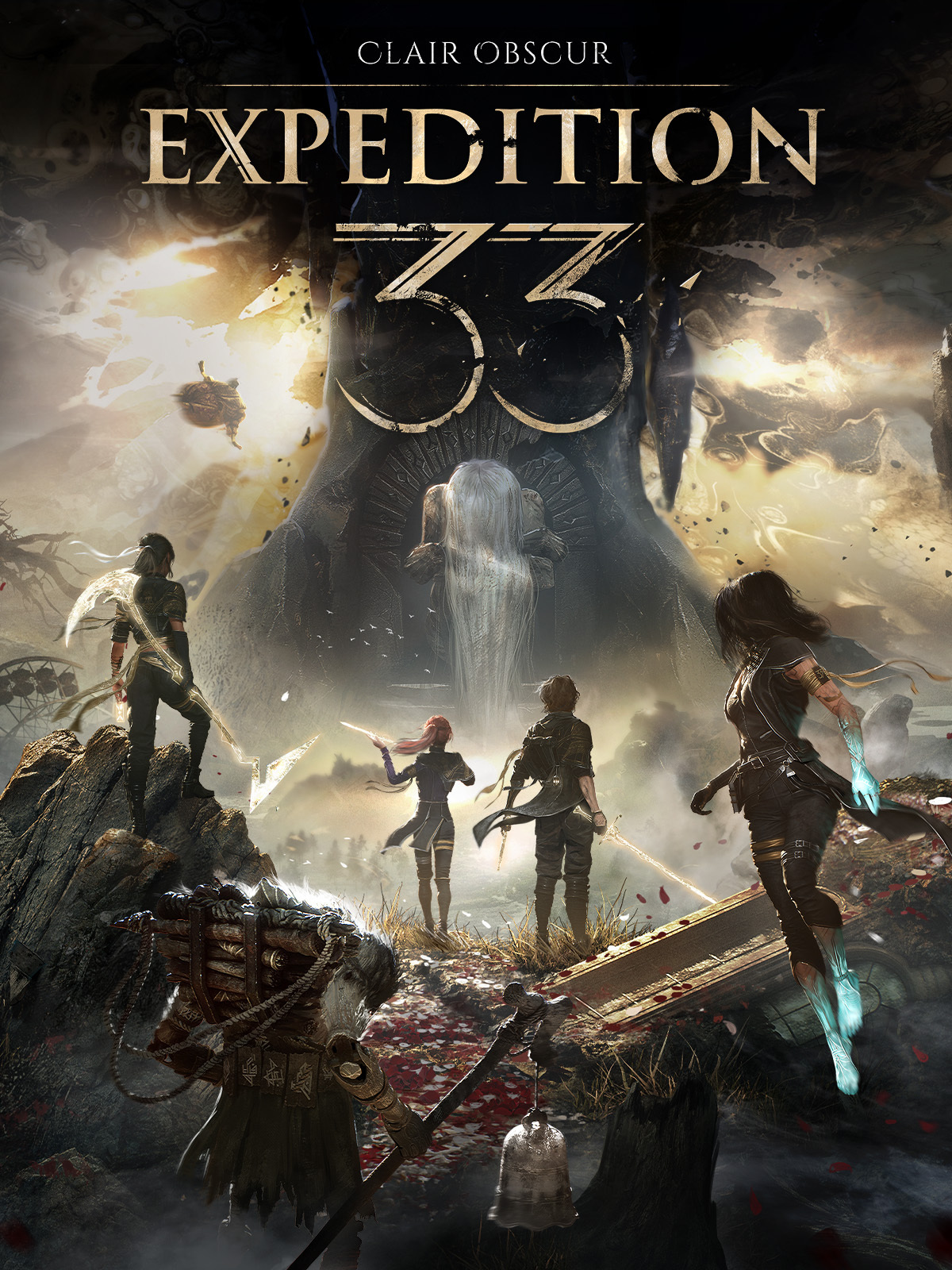
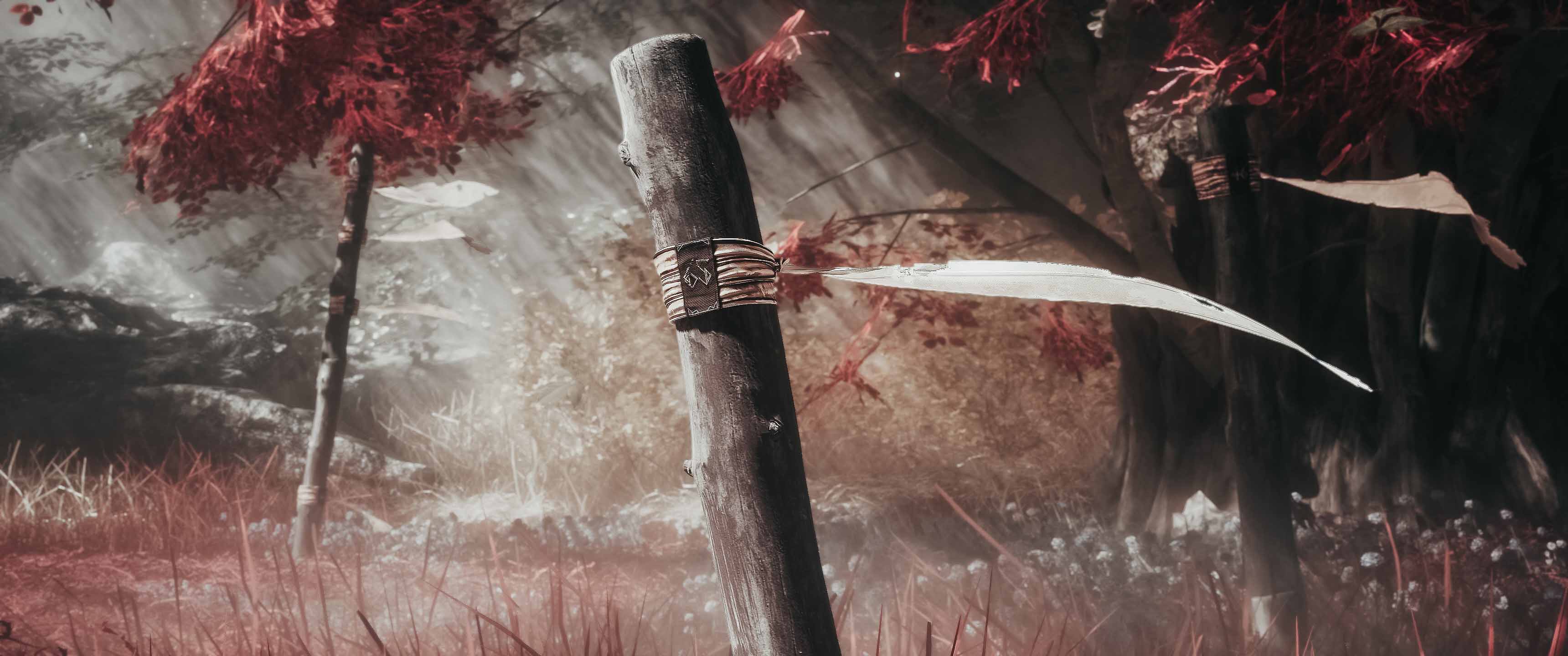
When Clair Obscur: Expedition 33 arrived in early 2025, it didn't just look different — it felt different. That impact was quickly recognised at The Game Awards, where it took home multiple honours including Game of the Year. Its painterly art direction, soft brushstroke textures, and restrained use of colour gave the game a visual identity that immediately set it apart.
Every environment feels composed rather than constructed, like a living canvas shaped by light, shadow, and emotion. It is a world built on atmosphere, where silence and framing carry as much weight as dialogue or action. From the opening hours, it was clear this was a game meant to be studied, paused, and admired.
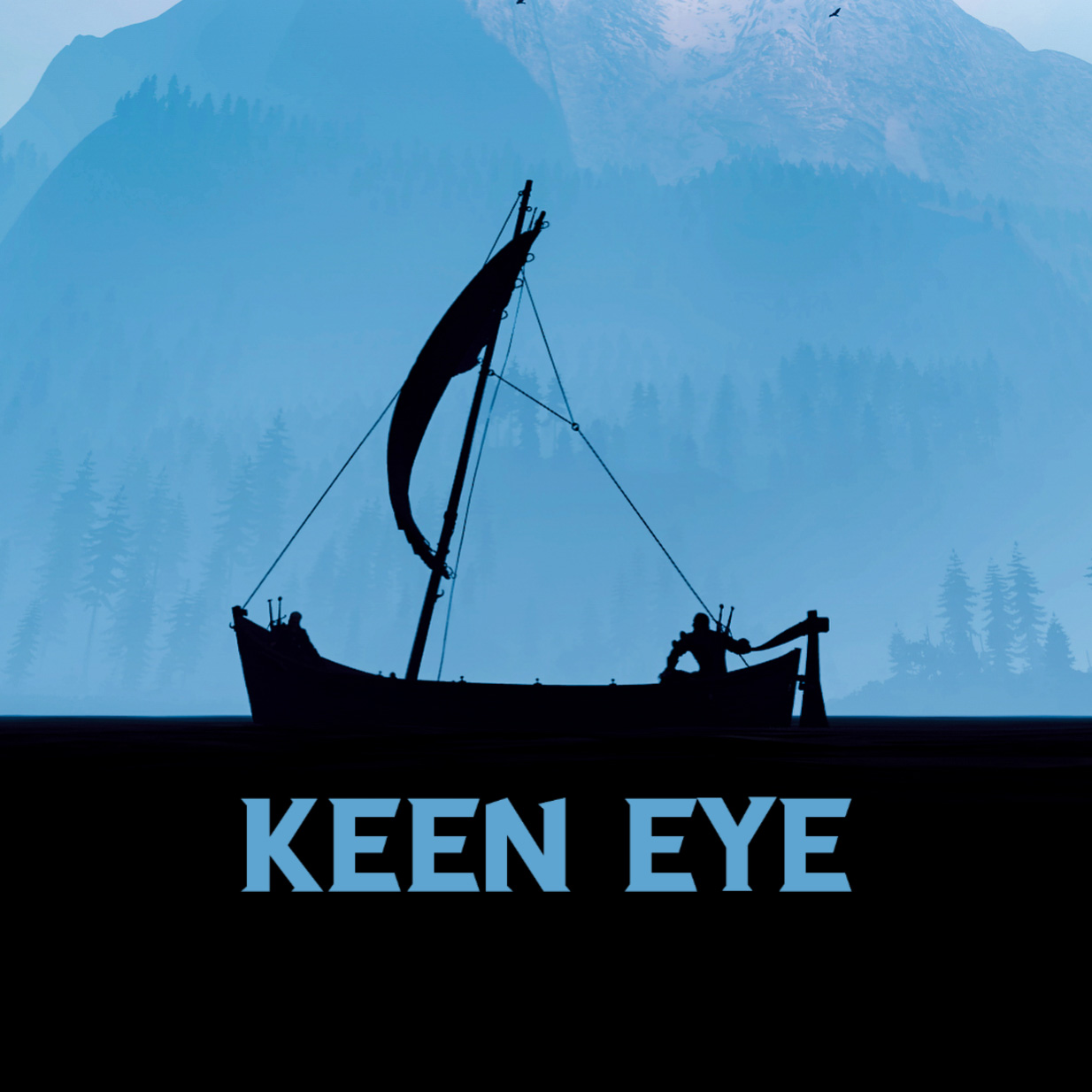
That made the absence of a Photo Mode at launch all the more noticeable. Clair Obscur constantly presents moments that beg to be captured — a lone figure framed against an empty horizon, a soft glow cutting through fog, a quiet cutscene that feels more like a painting in motion. The free Thank You update changed that entirely, introducing Photo Mode and transforming how players could interact with the game's artistry.
Full Camera Freedom
Opening Photo Mode through the pause menu immediately reveals a toolkit built with intention. Full camera freedom allows you to pull away from the action and explore scenes from perspectives never possible during normal play — including full access during cutscenes. This alone elevates the mode, as many of the game's most striking images live inside its story moments.
The camera feels fluid and responsive, encouraging experimentation rather than precision micromanagement. You can drift through environments, reframe characters, and discover compositions that feel entirely new, even in familiar locations.
The core camera tools strike a strong balance between accessibility and depth. Adjustable field of view, aperture, focus distance, and grid overlays provide everything needed for thoughtful composition — without overwhelming the player.
The aperture system runs from f/1.4 to f/32. At f/1.4 on a close portrait, the bokeh is exceptional — the game's painterly post-processing and real optical blur combine into something that looks closer to illustration than game screenshot.
Lighting — Where It Truly Separates Itself
Lighting is where this Photo Mode truly distinguishes itself. The ability to place and adjust up to ten spotlights is exceptionally rare and opens the door to an almost cinematic level of control. Shaping light across a character's face, isolating environmental details, or rebuilding an entire scene's mood from scratch feels closer to directing a shot than taking a screenshot.
Small lighting changes can dramatically shift the emotional tone of an image, and the game's painterly surfaces respond beautifully to this level of control. Rather than masking the game's visuals, the lighting tools lean into its handcrafted aesthetic — reinforcing the sense that Clair Obscur is as much about art as it is about gameplay.
The lighting tab gives you Type of Light (Spot Light confirmed, with additional types available), Intensity, full RGB Colour control, Colour Intensity, Cast Shadows toggle, and a 3D Move Light gizmo to position the source physically in the scene.
Colour Grading & Post-Processing
Colour grading options invite creative reinterpretation, offering fine control over exposure, contrast, saturation, and temperature. The included artistic filters — such as Oil Painting and Sketch — feel particularly well judged. Rather than generic presets imported from another game's template, they feel designed for this specific world and its specific visual register.
The suite is curated rather than exhaustive. What's here works. Nothing feels surplus or tacked on — every slider and filter earns its place in the interface.
The game's painterly post-processing is strongest at medium FOV (50–65 degrees). Wider angles start to reveal geometry that breaks the aesthetic illusion. Stay portrait range and the results are consistently stunning.
Verdict
Clair Obscur: Expedition 33 — Art direction as photo mode feature.
In the end, this Photo Mode doesn't feel like an optional extra or a box-ticking feature. It feels essential. For a game defined by mood, composition, and emotional restraint — giving players the tools to engage creatively only strengthens the experience.
Clair Obscur: Expedition 33 was already one of our favourite games of 2025. The Photo Mode elevates it further, turning fleeting moments into artworks and players into collaborators.
A score of 91 reflects what this delivers: real aperture control, a proper 3D lighting system, a free camera that respects cutscenes and compositions equally, and a world so visually intentional that the game is doing half the work before you touch a slider.
Reviewed on PS5.